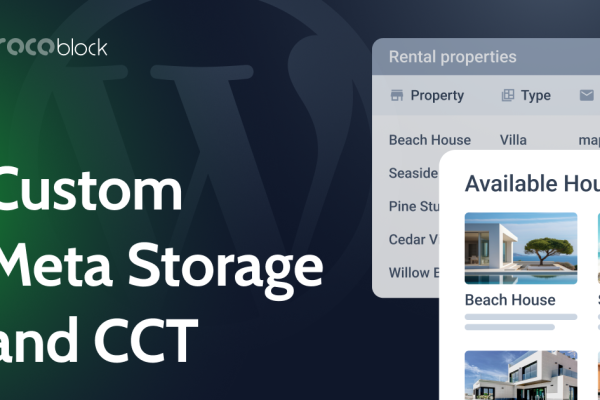

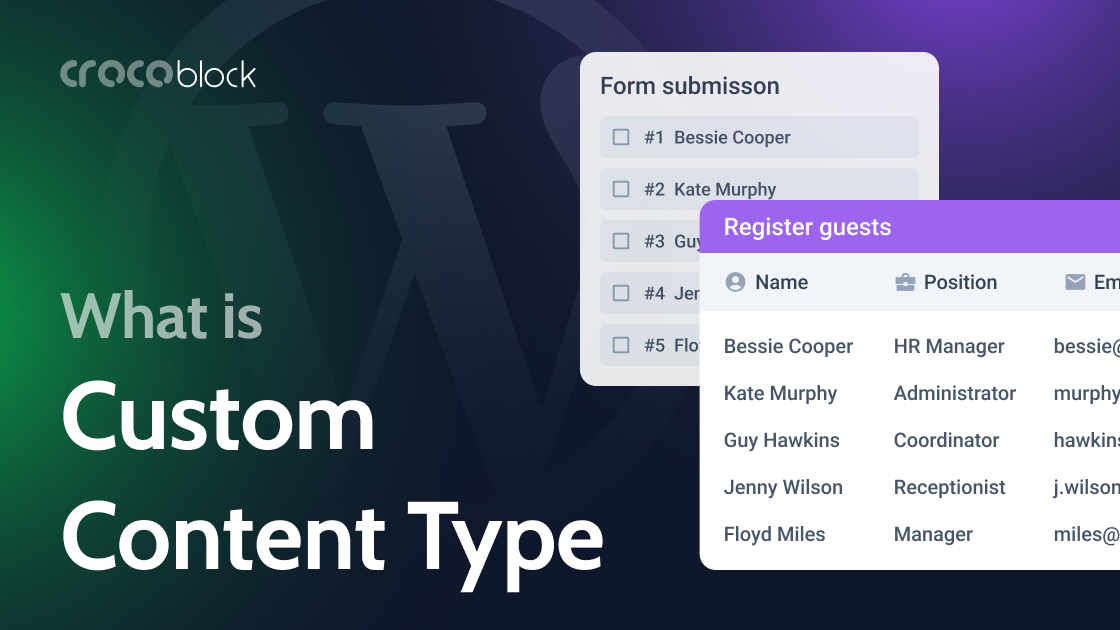
The article discusses the functionality and advantages of the Custom Content Type (CCT) module introduced in the JetEngine plugin by Crocoblock, emphasizing its role in optimizing WordPress database management. CCT serves as a unique storage solution distinct from traditional custom post types (CPT), effectively structuring large volumes of data while minimizing database strain. By allowing users to create dedicated database tables for customized fields, it prevents the performance issues typically associated with the default WordPress post and meta tables, ensuring more efficient data retrieval and management.
In the context of current trends in the WordPress ecosystem, the emergence of modular solutions such as CCT represents a significant shift towards more structured data management practices in web development. The growing complexity of web applications necessitates tools that simplify processes and enhance scalability, making solutions like CCT increasingly relevant for developers seeking to streamline workflows and improve site performance.
From a technical standpoint, CCT not only reduces the overall database footprint by consolidating data storage into dedicated tables, but it also facilitates seamless integration with REST APIs, thereby increasing operational efficiency. Developers can automate form generation and backend interactions without extensive coding, which optimizes systems for real-time data management and enhances the user experience on the front end.
The article outlines various technical implementations associated with CCT, including SQL queries for data retrieval and examples of integrating PHP handlers for item management. These detailed use cases provide developers with actionable insights into effectively leveraging CCT for enhanced site performance and management within the WordPress framework.
Author of the original text: Helena Ivanova (Crocoblock)