
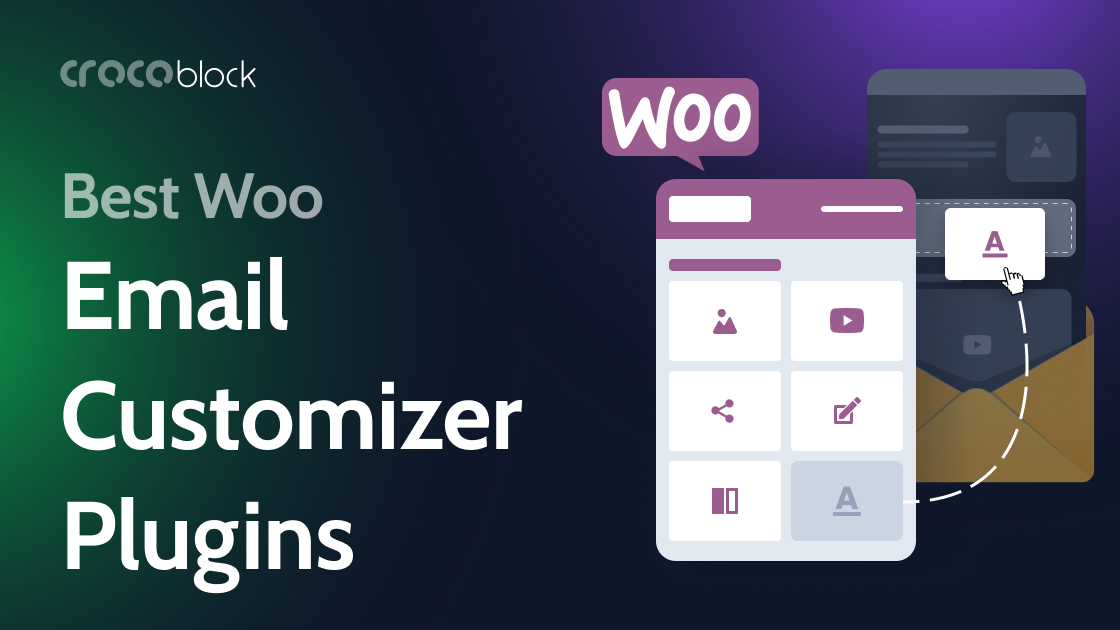
WooCommerce’s transactional emails are generated around order events, but the default templates offer limited control over layout and branding. Email customizer plugins add visual editors that let site administrators rearrange content and adjust elements such as typography, colours, spacing, headers and footers without editing template code. Live previews and test sends help verify how messages appear before they reach customers.
The plugins differ chiefly in their handling of WooCommerce extensions. YayMail’s free version customizes 11 default emails; its Pro version exposes fields and variables supplied by other plugins, while paid add-ons support additional email types, including subscriptions, bookings and vendor workflows. Spark Email Editor offers prebuilt templates and responsive designs built with MJML, while deeper third-party integrations require a paid plan. Other options provide features such as WPML compatibility, import and export, and order-detail elements.
These differences matter when a store relies on extensions that add custom order data or notifications: a visual editor must expose the relevant fields to preserve useful information in redesigned messages. Editors with test-email tools support review before deployment, while ready-made templates can shorten setup. Plugin selection therefore depends not only on styling controls, but also on compatibility with the store’s email-producing extensions and the level of customization required.
Author of the original text: Thuy Nguyen (Crocoblock)